Carbohydrates
CARBS FUEL YOUR MUSCLES
The main fuel source for working muscles during hard, longer efforts. A planned carbohydrate approach helps you avoid running low on energy late in your race.


Unsure about the foods and fluids you need? Use the Markers Endurance race-day fuel calculator to build a starting nutrition plan for your next running race, triathlon or ultra.
Our race nutrition calculator shows total and hourly figures for each of the three core elements of race-day fuelling.
The main fuel source for working muscles during hard, longer efforts. A planned carbohydrate approach helps you avoid running low on energy late in your race.
The key electrolyte lost in sweat. Losses vary widely between athletes, so the calculator shows a supply illustration to test in training rather than a fixed requirement.
Important for blood volume and cooling. Your fluid figure is an illustration of what to carry or collect on course, shaped by your sweat estimate and conditions.
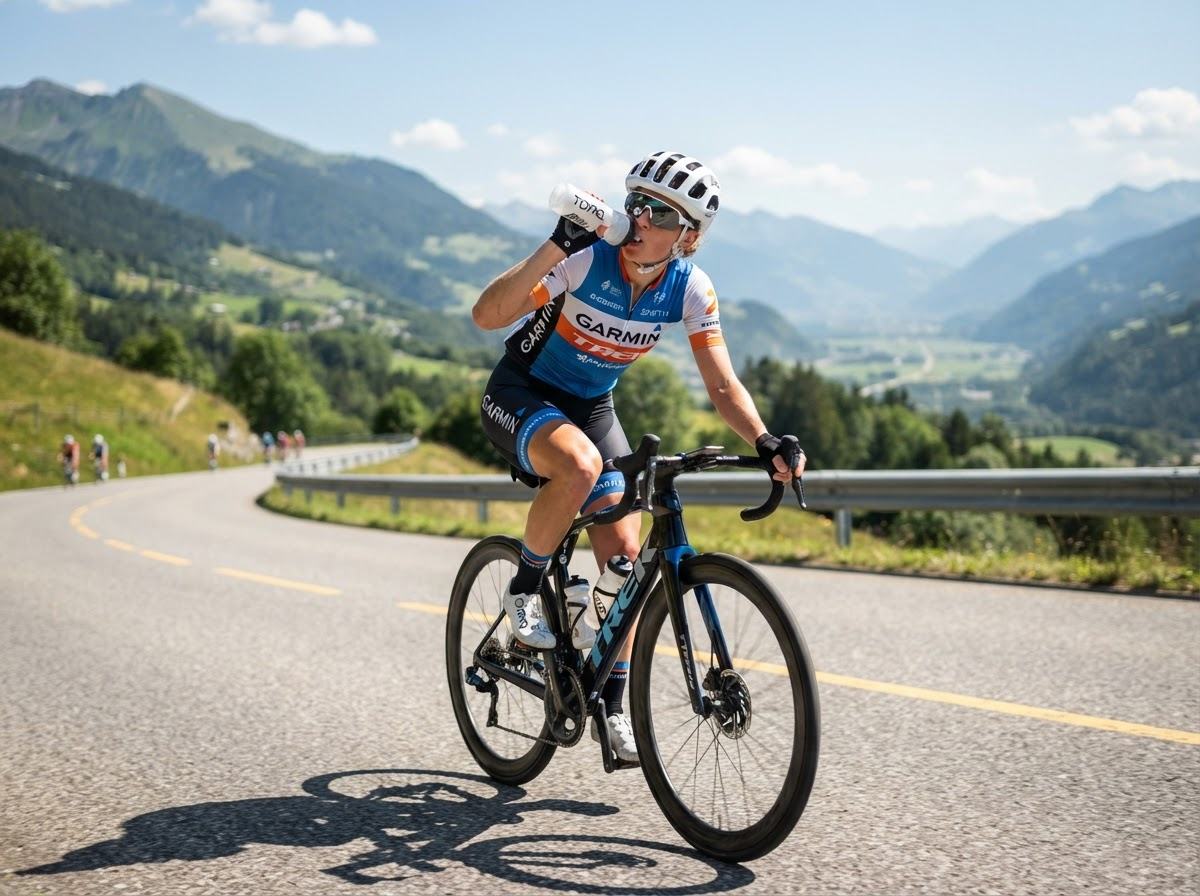
Running low on energy, stomach trouble and poorly judged drinking are common reasons long days go wrong.
Knowing roughly what to take, and when, makes it easier to hold your effort steady into the later stages.
Your gut can be trained. Rehearsing your race nutrition in long sessions shows what works for you.
Three steps take you from guesswork to an evidence-informed starting plan built around your event.
Add your metrics including body weight, sweat rate, experience levels and estimated gut tolerance levels.
Select your target race distance, projected finish times, and expected weather conditions.
Receive a starting plan for carbohydrate, plus sodium and fluid supply illustrations, to trial in training.
Endurance sports can span across multiple distances and multiple sports, but the fundamentals of nutrition remain the same. Whether you are running, racing a triathlon or heading into an ultra, the calculator adapts to your distance and expected finish time.

Sprint to full IRONMAN.


Wonderfully tailored to help me achieve my goal whilst working around my life commitments. I would unreservedly recommend this to anyone.
 Sam Sergeant,Half-marathon
Markers helped me develop my first proper training plan for my first event. They supported me throughout the whole process.
 Finn Shepherd,Sprint triathlon
Plans are general, evidence-informed starting points for healthy adults, not medical advice. Follow any individual guidance from your clinician or sports dietitian.
The race-day fuel calculator turns your race details, expected finish time, conditions and personal inputs into an evidence-informed starting nutrition plan. It illustrates how carbohydrate, sodium and fluid could be spread across your event. It is general guidance, not medical advice, and not an exact statement of what your body needs.
Markers Endurance supports running events from 5k to the marathon, triathlon from sprint to full-distance, and ultra running events. The same fuelling fundamentals apply across all three, while race structure and duration shape the plan.
Carbohydrate is the main fuel your muscles draw on during harder, longer efforts, so the plan shows a starting carbohydrate approach. Fluid and sodium are shown as supply illustrations: a way to think about what to carry or collect on course. Sweat losses vary widely between people and conditions, so treat these figures as a starting point to test, not a target to hit at all costs.
Your expected finish time changes how long you need to keep fuelling and how intense the effort is likely to be. Shorter races may need little or no fuelling during the event, while longer running, triathlon and ultra events usually call for a steadier, planned approach that you can sustain from start to finish.
Yes. Rehearse your plan in long training sessions using the foods, drinks and timings you intend to use on race day, and adjust based on how your stomach and energy respond. Never try something new for the first time on race day.
No. The calculator gives general guidance for healthy adults. If you have a medical condition, take medication, or have been given individual advice by a clinician or sports dietitian, follow that advice over any plan generated here.
Let’s put a plan around your goals, your life, and the race you can’t stop thinking about.
Contact us for a training plan